Are Employee Benefits Actually Worth It for Small Businesses?
Quick Answer:
Yes, employee benefits are often worth it for small businesses, but only when they are built around real employee needs and a realistic company budget. A thoughtful benefits package can help a small business compete for talent, reduce turnover, improve morale, and make employees feel more secure. A poorly planned package, on the other hand, can become an expensive line item that looks good in a job posting but does not do much for the people it is supposed to help.
For most small businesses, the smartest approach is not to copy a large corporation’s benefits package. It is to start with the benefits employees actually use, such as health insurance, paid time off, dental, vision, retirement options, or flexible support, then grow the package over time. Benefits are worth it when they support retention, trust, and stability. They are less worth it when they are added for appearances without a clear purpose.
Why Employee Benefits Feel Like a Bigger Decision for Small Businesses
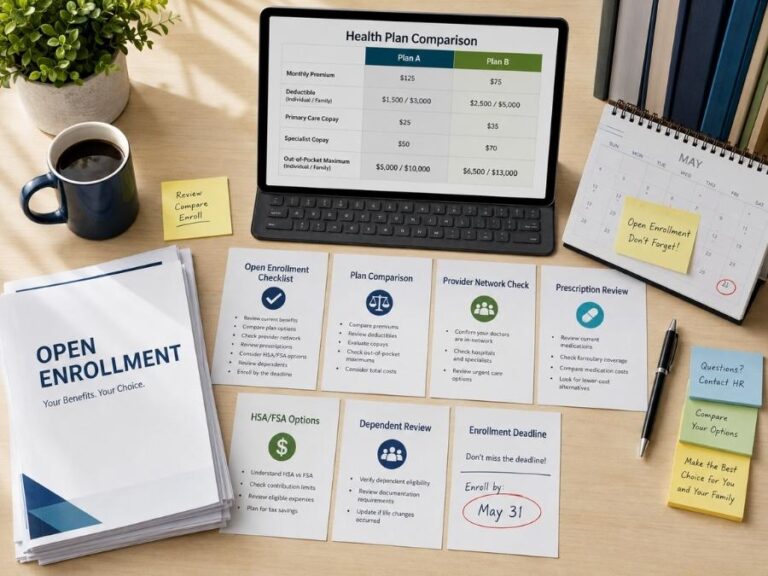
Employee benefits have a way of sounding simple until a business owner starts pricing them. Health insurance looks straightforward on paper, but then come the premiums, deductibles, employee contributions, dependent coverage, renewal increases, plan comparisons, paperwork, and enough acronyms to make even a calm person reach for another coffee. For a small business, it can feel less like a smart investment and more like stepping into a financial fog machine.
Still, the question is not whether employee benefits are expensive. They are. The better question is whether they are worth it for a small business trying to hire good people, keep them, and build something that lasts longer than the next busy season. That answer depends on how the benefits are chosen, how clearly they are explained, and whether employees actually value what is being offered.
Why This Question Matters More for Small Businesses
Large companies can absorb benefit costs differently. They have bigger payrolls, larger HR teams, more bargaining power, and enough employees to spread costs across a wider group. A small business does not always have that cushion. Every added benefit has to be weighed against payroll, rent, supplies, taxes, software, equipment, and whatever surprise expense showed up that week.
That is why small business owners are right to be cautious. Offering benefits without understanding the cost can put pressure on cash flow, especially if the business is already operating on tight margins. But avoiding benefits entirely can also carry a cost. Good employees notice when a company offers no health coverage, no paid time off, no retirement option, and no sign that the owner is thinking beyond today’s schedule.
The real tension is simple. Benefits cost money, but so does turnover. Benefits take planning, but so does replacing trained employees. Benefits can feel like a burden, but a workplace without them can start to look temporary, even when the business itself is trying to grow into something more serious.
The Real Value of Employee Benefits
The value of employee benefits is not just in the insurance card or the paid holiday. The value is in what those benefits communicate. They tell employees that the business is stable enough to think ahead and responsible enough to care about what happens outside the workday. That may sound soft, but in the working world, security is not a small thing.
Employees do not only compare wages anymore. They compare the whole package. A job that pays slightly more but offers no health insurance, no paid time off, and no future planning may not look better than a job with a steadier benefits package. This is especially true for employees with families, medical needs, long commutes, or financial responsibilities that make predictability matter.
That is where benefits start to earn their keep. They can reduce the temptation for employees to leave over a slightly higher hourly rate somewhere else. They can also make hiring easier because the business looks more serious and less improvised. In a competitive labor market, that difference matters.
Benefits That Look Good Versus Benefits That Actually Matter
This is where small businesses need to be honest. Not every benefit carries the same weight. Some perks look nice in a hiring post, but do very little to improve an employee’s day-to-day life. Free snacks and casual Fridays may be appreciated, but they are not the same as health coverage, paid sick time, or a retirement contribution.
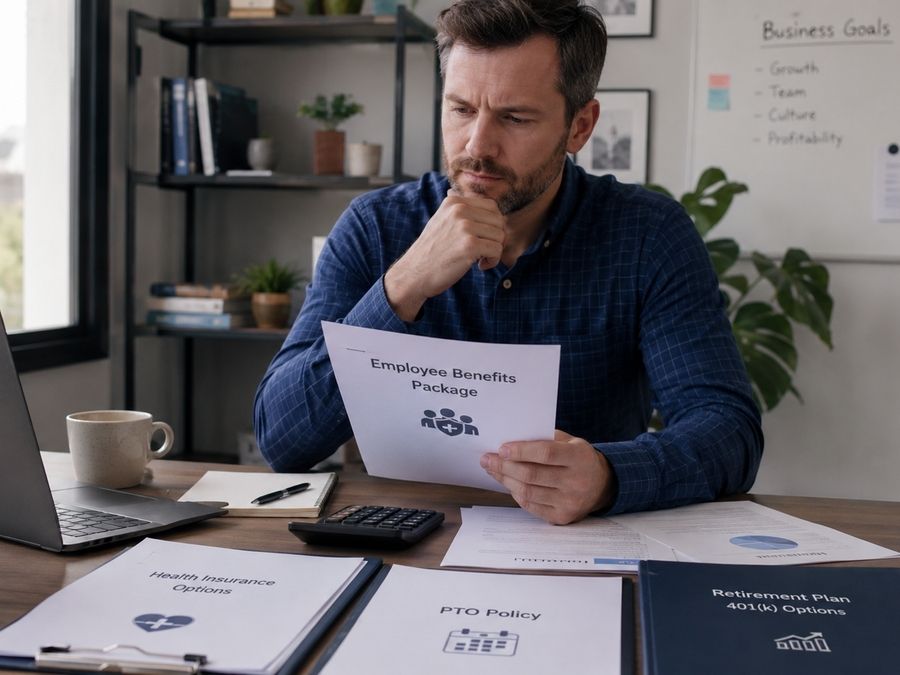
The benefits that usually hold up over time are the ones tied to real-life pressure. Health insurance helps employees manage medical costs. Paid time off gives people room to recover, handle family responsibilities, and avoid burnout. Dental and vision coverage are practical additions that employees understand quickly. Retirement options show that the company is thinking beyond the current quarter.
Trendy perks can still have a place, but they should not distract from the basics. A meditation app is nice. So is a lunch stipend. But if employees are worried about a medical bill, unpaid sick time, or whether they can afford to stay in the job long term, the shiny perks will not carry much weight. Substance beats decoration every time.
Substance vs. Fluff: What Actually Holds Up?
| Infrastructure Benefits With High Retention Value | Surface Perks With High Novelty Value |
| Cost-sharing health insurance | Free office snacks or catered lunches |
| Clear, structured paid time off | Casual Fridays or open dress code |
| Retirement access, such as a SIMPLE IRA or 401(k) | Subscriptions to wellness or meditation apps |
| Professional development and HR support | Office game rooms or ping-pong tables |
| Dental, vision, life, or disability coverage | Branded swag or one-time giveaways |
This does not mean surface perks are useless. A stocked break room or occasional team lunch can still improve the workday. The problem starts when small businesses confuse novelty with support. Employees may enjoy perks, but they tend to stay for benefits that make their lives more stable.
A useful benefits package does not need to look flashy. It needs to answer practical questions employees actually carry with them. Can I see a doctor without panic? Can I take time off when I am sick? Is there a path to save for the future? Does this employer have enough structure to support the people doing the work?
The Cost Is Real, But So Is the Cost of Doing Nothing
Employee benefits can be expensive, especially health insurance. Premiums can rise from year to year, and small employers often feel those increases sharply. It is easy to look at the numbers and decide that benefits are a luxury for bigger companies with deeper pockets.
But doing nothing has its own price. When employees leave, the business pays for recruiting time, training time, lost productivity, customer disruption, and institutional knowledge walking out the door. A good employee who knows the systems, the customers, the pace, and the little details that never make it into the handbook is not easily replaced.
There is also a moral cost. When employees feel that a workplace offers no real support, they may still show up, but they may not stay invested. They may keep one eye on job boards. They may do the work, but stop seeing a future there. Benefits are not magic, but they can be one part of making a job feel worth staying for.
Health Insurance Is Usually the Main Decision
For many small businesses, health insurance is the hardest and most important benefit decision. It is usually the most expensive benefit, but it is also one of the most valued. Employees understand health insurance because most people have had some brush with medical costs, prescription costs, or the stress of needing care at the wrong financial moment.
A small business does not have to pay the full premium to make health insurance meaningful. Many employers share the cost with employees by contributing a set percentage of the employee’s only premium. Some also contribute toward family coverage, although that can increase the total cost significantly. The right contribution strategy depends on the business budget and the type of workforce the company has.
Note on Scale: Under the Affordable Care Act, businesses with fewer than 50 full-time equivalent employees are generally not legally required to provide health insurance. That gives smaller employers flexibility to scale up coverage when their cash flow and hiring goals make it realistic. Small businesses should still check current federal and state rules, because requirements can vary depending on workforce structure, location, and related ownership.
The mistake is choosing a plan only because it is the cheapest. Cheap coverage can become expensive in another way if the deductible is too high, the network is too narrow, or employees cannot afford to use the plan. A benefit that technically exists but feels unusable will not build much loyalty. Employees know the difference between real support and a checkbox.
Paid Time Off Is More Than a Nice Gesture
Paid time off is one of the most practical benefits a small business can offer, but it is sometimes underestimated because it does not always appear as a monthly invoice. The cost is still there. The business pays wages while employees are away, and someone else may need to cover the work. For a small team, that can be inconvenient.
Still, paid time off is one of those benefits that holds up under scrutiny. People get sick. Families need attention. Emergencies happen. Employees also need rest before burnout turns into mistakes, resentment, or resignation. A workplace that never makes room for real life usually pays for that rigidity eventually.
The policy does not have to be extravagant. It does have to be clear. Employees should know how time off is earned, how it is requested, what happens when they are sick, and whether unused time carries over. Clarity matters because a vague benefit can create confusion, and confusion is where frustration tends to grow.
Retirement Benefits Send a Different Message
A retirement plan may not create the same immediate reaction as health insurance, but it sends a serious signal. It tells employees the company is not just thinking about next week’s schedule. It is thinking about long-term stability, financial planning, and the idea that work should help people build a future.
For small businesses, retirement benefits can be flexible. A company might look at a SIMPLE IRA, SEP IRA, 401(k), or another retirement plan structure, depending on size, budget, and administrative capacity. Some employers offer a match, while others start with access to a plan and add contributions later. The right setup depends on what the business can sustain.
This is not just about generosity. It is about competitiveness. Employees who are thinking seriously about their future often look for employers who are doing the same. A modest retirement benefit may not win every hiring decision, but it can help a small business look more established and responsible.
HR Consulting and Benefits Support Can Make the Package Work Better
A benefits package is only as useful as the way it is selected, explained, and managed. Small businesses often underestimate this part. They may choose a plan, hand employees a stack of enrollment materials, and hope everyone figures it out. That is usually where confusion starts.
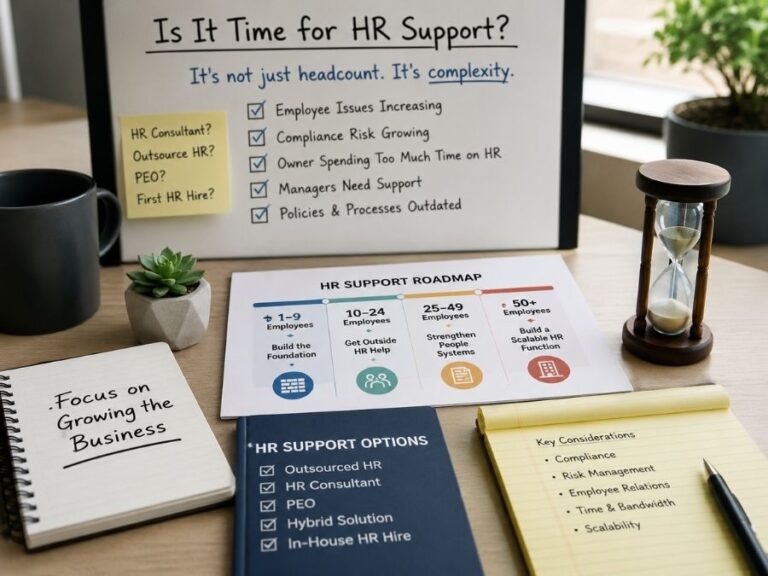
Employee benefit services and HR consulting services can help small businesses make better decisions. A consultant or benefits advisor may help compare plans, explain costs, manage enrollment, support compliance, update policies, and communicate benefits in plain English. That support can be especially helpful for owners who do not have a dedicated HR department.
The value is not just convenience. Good guidance can help a business avoid buying benefits that do not fit its workforce. It can also help employees understand what they have, which matters more than many owners realize. A benefit that nobody understands is a benefit that nobody fully appreciates.
When Benefits May Not Be Worth It Yet
There are times when a full benefits package may not be realistic. A very new business with unstable revenue may need to start smaller. A company with only a few employees may not have enough scale to offer the same options as a larger employer. A seasonal business may need a different approach than a year-round professional firm.
That does not mean the business should ignore benefits completely. It means the owner should build carefully. Maybe the first step is paid holidays and a simple paid time off policy. Maybe it is dental and vision before full health coverage. Maybe it is a retirement plan with no match at first, or a monthly stipend where legally appropriate and properly structured.
The key is not to overpromise. Employees can respect a business that is honest about what it can offer and where it is trying to improve. What damages trust is presenting a thin benefit as a major advantage or rolling out a plan that the company cannot sustain.
How to Tell If Benefits Are Working
Small businesses should treat benefits like a business decision, not a decorative expense. That means paying attention to whether the package is actually helping. Are employees enrolling? Are candidates asking about benefits during interviews? Are current employees staying longer? Are people using the benefits available to them?
It also helps to ask employees what they value. Not every team wants the same thing. Younger employees may care about affordability, flexibility, and mental health support. Employees with families may care more about health coverage, dependent costs, paid leave, and predictable schedules. Long-term employees may place more weight on retirement contributions and stability.
This is where the real test comes in: what looks impressive, and what actually holds up? A long list of benefits is not automatically better than a shorter list of useful ones. A small business does not need to look flashy. It needs to be clear, consistent, and serious about what it offers.
So, Are Employee Benefits Worth It?
For most small businesses that want to grow and keep good people, employee benefits are worth it when they are planned with discipline. They can help a company compete, reduce turnover, support morale, and build trust. They also make a business look more legitimate in the eyes of employees who are deciding whether to invest their time and energy there.
But benefits are not worth it when they are chosen carelessly. A confusing plan, a weak contribution strategy, or a package built around trendy perks instead of real needs can waste money without solving the actual problem. Employees do not need theater. They need benefits that make work and life a little more manageable.
The best benefits packages are not always the most expensive. They are the ones that match the workforce, fit the budget, and stay useful after the excitement of the announcement fades. That is the difference between benefits as marketing and benefits as infrastructure.
The Real Test: Do Benefits Help People Stay?
Employee benefits are not cheap, but neither is losing the people who keep a small business running. The right package does not have to be fancy, oversized, or copied from a national corporation. It has to be practical, understandable, and sturdy enough to support both the employees and the business.
For small business owners, the smartest move is to start with what matters most, price it honestly, explain it clearly, and improve it over time. Benefits are worth it when they help people stay, work better, and feel like the company is building something with a future. That is not fluff. That is good business.
Next Step for Owners: Audit your current turnover rate over the last 12 months. If you are losing employees frequently, map the cost of hiring their replacements against the baseline cost of a basic PTO or health-stipend plan.