
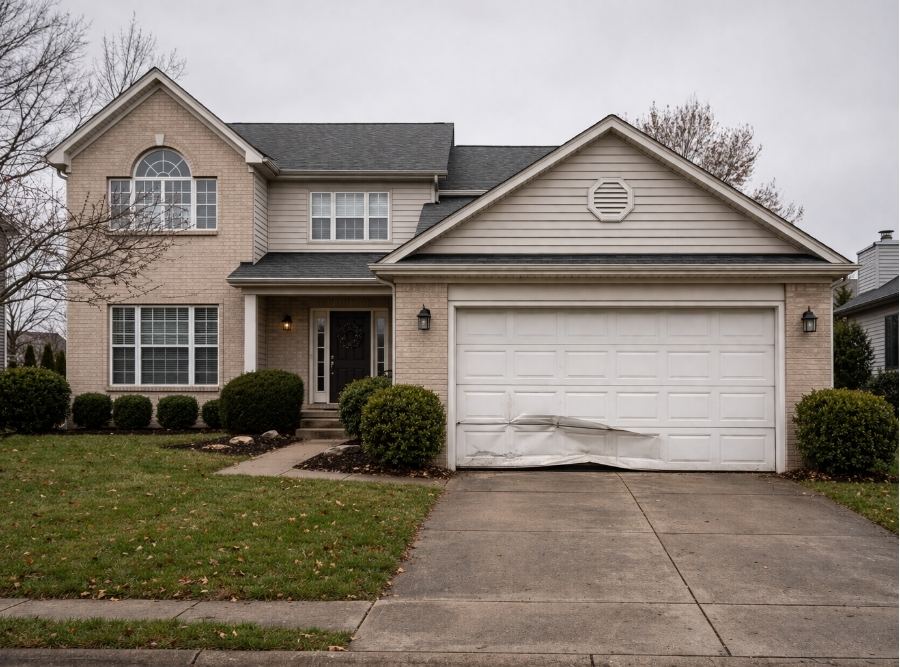
Why Homeowners Delay Repairs Too Long
There is a moment in almost every home when something starts to feel slightly off. A new sound. A slower response. A small shift in how something operates.
It is easy to ignore because nothing has actually stopped working.
So it gets pushed aside. Not out of neglect, but because it does not feel urgent. Most homeowners are not avoiding responsibility. They are making a reasonable decision based on what they see in front of them.
The problem is that home systems do not fail based on urgency. They fail based on stress. And by the time something feels urgent, the system has often been under strain for much longer than expected.
Most home repairs are delayed not because homeowners ignore problems, but because the issue does not feel urgent until the system is already under stress.
Why Do Homeowners Delay Repairs?
Homeowners delay repairs because most issues develop gradually and do not interrupt daily life right away. As long as something continues to function, even imperfectly, it is easy to assume the problem is minor. In reality, many mechanical issues build quietly over time, which makes early warning signs easy to overlook.
This behavior is not careless. It is practical. People prioritize what feels urgent, and subtle changes rarely make the top of the list.
Why Waiting Feels Like the Right Call
From a behavioral standpoint, delaying repairs is predictable. Homeowners are constantly balancing time, cost, and attention. If something still works, it naturally feels safe to wait. A garage door that hesitates slightly or makes a new sound does not disrupt the day enough to demand action.
There is also the added friction of scheduling a repair. It takes time, coordination, and money. When the issue appears manageable, waiting feels like the more reasonable option.
The disconnect is that mechanical systems do not respond to convenience. They respond to tension, friction, and imbalance.
The Delayed Repair Cycle
What many homeowners experience as a sudden failure is usually part of a predictable pattern.
This pattern can be understood as The Delayed Repair Cycle:
- A minor issue appears.
- The system compensates to keep functioning.
- That compensation increases internal strain.
- Additional components begin to wear.
- Failure eventually becomes unavoidable.
A delayed repair is not just a postponed fix. It is a period where a system continues to operate under increasing stress, often causing secondary damage that would not have occurred with early intervention.
What Is Actually Happening Behind the Scenes
Garage doors are one of the most mechanically active systems in a home. In most households, they are used multiple times per day, which means even small inefficiencies can compound quickly over weeks and months.
The system itself depends on balance. Springs carry tension, cables guide movement, and the opener controls force. When one part begins to weaken, the rest of the system adjusts to compensate.
That adjustment is where problems grow.
A spring that has lost tension forces the opener to work harder than it was designed to. A slight misalignment in the track increases resistance, which affects rollers and adds load to the motor. These changes are gradual, which is why they are often missed.
In field inspections, Maxim Geht of Ohio Garage Door Repair has seen that what homeowners describe as a sudden breakdown is almost always the result of accumulated tension inside the system. The door does not fail overnight. It reaches the point where it can no longer compensate.
Think of it as a system pulling against itself. One weakened component forces everything else to work harder, like a team adjusting for an injured player. It may continue to perform for a while, but the strain spreads.
The Real Cost of Waiting
The cost of delaying repairs is rarely immediate, which is why it is so often underestimated.
Financially, a single worn component is usually simple to address. When that issue is left unresolved, it begins to affect surrounding parts. What could have been a targeted repair becomes a broader service involving multiple components.
Functionally, systems under strain tend to fail without regard for timing. A garage door does not choose a convenient moment to stop working. It fails when the internal stress exceeds what the system can handle.
There is also a safety consideration. Garage doors operate under high tension. When components such as springs or cables fail, they release stored energy. This is not always visible beforehand, which is why these failures often catch homeowners off guard.
For homeowners preparing to sell, there is another layer to consider. A garage door that hesitates, strains, or produces excessive noise often signals deferred maintenance during inspections. This can lead to repair requests or credits during negotiations, even if the issue seemed minor.
The “It Still Works” Misconception
One of the most common assumptions in home maintenance is that a system is fine as long as it continues to operate.
This is where problems quietly grow. The real risk is not that something breaks. It is that it continues working while slowly damaging the rest of the system.
Many systems continue operating well beyond the point where they should have been serviced. That continued operation creates the illusion of stability, when in reality the system is compensating.
By the time failure becomes obvious, the underlying issue has often been present for weeks or months.
Experienced technicians do not just evaluate what has failed. They assess what has been under strain and what is likely to fail next. That perspective is what prevents repeat issues and escalating repairs.
What Subtle Changes Are Actually Telling You
Early warning signs rarely feel urgent, which is why they are easy to ignore. They tend to show up as small shifts in performance.
- Uneven movement often indicates the system is no longer balanced, placing uneven stress on key components.
- New or louder sounds typically point to increased friction or internal strain.
- Delayed response from the opener can signal that the motor is compensating for added resistance or weight.
None of these signals mean immediate failure. But they do mean the system is no longer operating as efficiently as it should.
Recognizing these changes early is what keeps a manageable issue from becoming a disruptive one.
Rethinking Repairs Before They Become Urgent
It helps to shift how repairs are viewed. Instead of reacting to failure, they can be approached as part of maintaining stability within the home.
A small adjustment at the right time can prevent a larger issue from developing. A quick inspection can identify imbalance before it spreads through the system. This approach does not require constant attention. It requires awareness.
In most homes, repairs do not become urgent overnight. They become unavoidable after being quietly ignored. The signs are usually there. The difference is whether they are acted on early, or left to build into something bigger.